







Buy or Sell in The Loops of Chicago With Someone Who Knows Every Block
The Loops of Chicago
Whether you're buying your first downtown condo or selling a Gold Coast brownstone, I can help you make the right move. I serve the Loop, South Loop, West Loop, River North, Gold Coast, and Old Town — zip codes 60601, 60602, 60603, 60604, 60605, 60606, 60607, 60610, 60611, 60616, and 60661 — and I know how one block can change everything.
Downtown Chicago Real Estate Is More Complicated Than It Looks
Every building in River North has a different HOA structure, and assessment history can make or break a purchase.
West Loop loft pricing varies sharply between timber loft and concrete loft construction, even in the same block.
Sellers in the Loop face a condo market with uneven price momentum depending on floor, view, and building age.
Buyers competing for Gold Coast inventory discover quickly that "renovated" means something different in every building.
South Loop new construction is reshaping the area's comp baseline, catching sellers off-guard on pricing.
Knowing which zip code to target is only the start. The real decisions happen at the building and floor level.
I Know These Neighborhoods Block by Block. Here's What That Gets You.
Searching for a home in downtown Chicago can feel like you're always one step behind. The best listings go fast. Buildings that look identical online deliver completely different living experiences in person. And figuring out which zip code actually fits your life, not just your commute, takes more than a map. I've seen buyers overpay for the wrong unit and sellers leave equity on the table by relying on zip code averages instead of building-level analysis.
I work across the Loop, South Loop, West Loop, River North, Gold Coast, and Old Town — 60601 through 60607, 60610, 60611, 60616, and 60661. My Insider's Map covers the details that don't show up on a listing sheet: which Fulton Market buildings carry the strongest HOA reserves, which South Loop towers have the most negotiating room, and which Gold Coast blocks have seen the most consistent price momentum.

Ian Nelson
(773) 420-8045
Three Simple Steps to Success
My Proven Process for Buyers and Sellers in The Loops of Chicago.
THE DISCOVERY AUDIT
Before I show you a single listing, I work to understand what you actually need. For buyers, that means mapping your commute corridors, identifying which zip codes match your lifestyle anchors, and understanding HOA fee structures across building types. For sellers, it means an honest analysis of your unit's position — floor, view, renovation level, and parking — against current building-level comps. The Loop area rewards specificity. This step is where that specificity starts.
TARGETED CURATION
I filter options by the variables that actually move the needle. For buyers in the West Loop, that means distinguishing timber loft construction from concrete — they feel different, price differently, and attract different buyer pools at resale. For sellers in River North, it means understanding gallery-district positioning and how that shapes your comp set. Gold Coast sellers need a strategy that accounts for historic building character alongside the luxury high-rise competition along Lake Shore Drive.
FLAWLESS EXECUTION
Downtown Chicago contracts have specific nuances. Condo riders, HOA document review timelines, assessment disclosure requirements, and building-specific inspection considerations all matter. I know what to watch for in each building type, from vintage Gold Coast co-ops to newly built South Loop towers. My job is to get you to closing without surprises and to make sure every detail is handled correctly before you sign anything.
The Loops of Chicago
What Makes The Loops of Chicago Different From Every Other Downtown Market
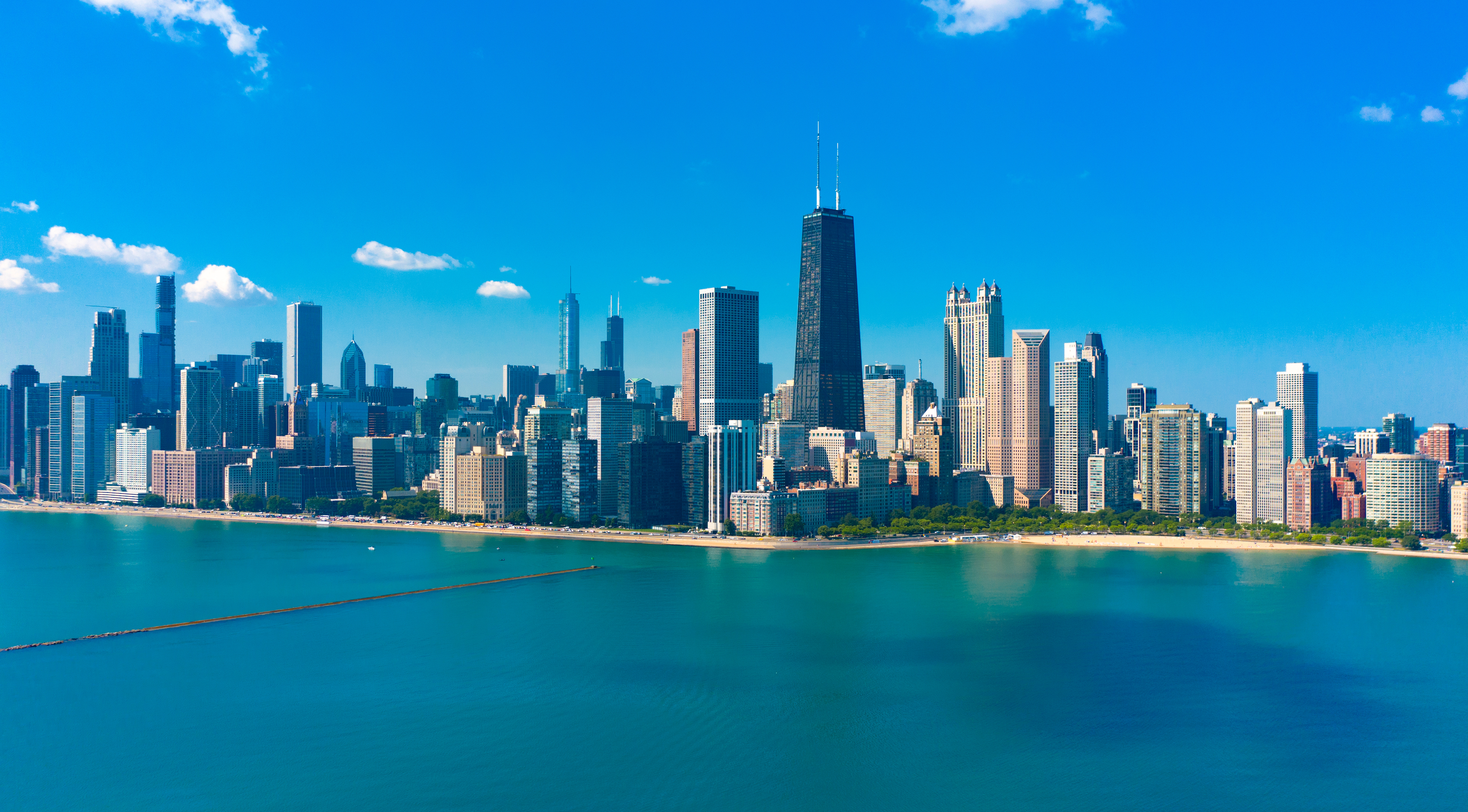
No other stretch of Chicago real estate packs this much variety into this few square miles. The Loop's elevated train tracks still circle the financial district in the same pattern they have for over a century, framing a skyline that includes Willis Tower, the Art Institute of Chicago, and Millennium Park's Cloud Gate. Each neighborhood radiating outward from that core has its own physical identity: converted meatpacking warehouses in Fulton Market, a 19th-century mansion corridor along Lake Shore Drive, lakefront canyon high-rises in the South Loop.
What connects these neighborhoods is also what makes each one distinct: density, walkability, and fast access to cultural anchors that most cities don't have at all. The South Loop puts you across the street from the Field Museum and Shedd Aquarium. River North places you inside the city's largest gallery district. Old Town gives you Second City and some of Chicago's oldest tree-lined residential blocks. The options are specific. So is the right choice.
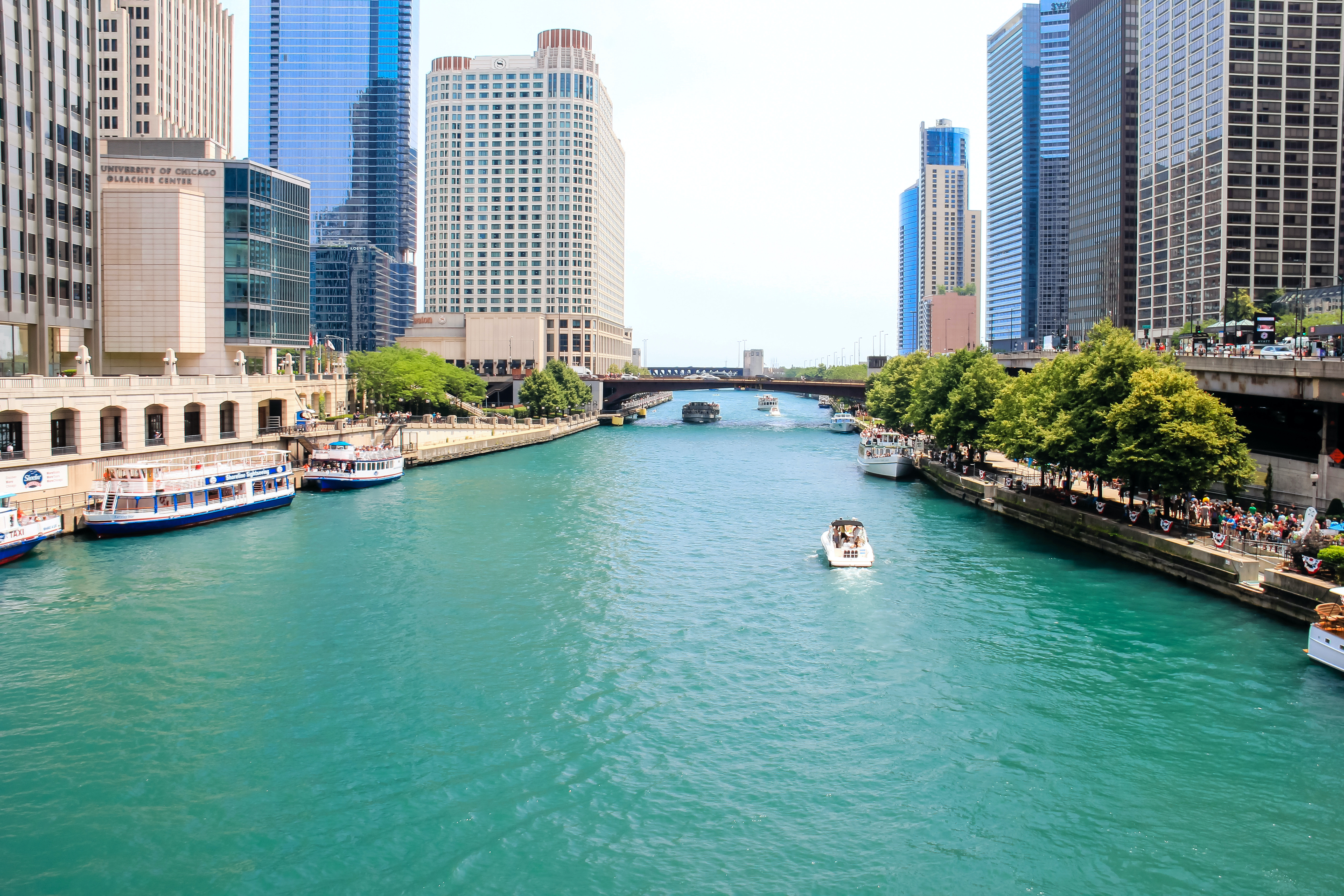
Millennium Park and the Chicago Riverwalk anchor the Loop's public life year-round
West Loop's Fulton Market district attracts continued commercial and residential investment
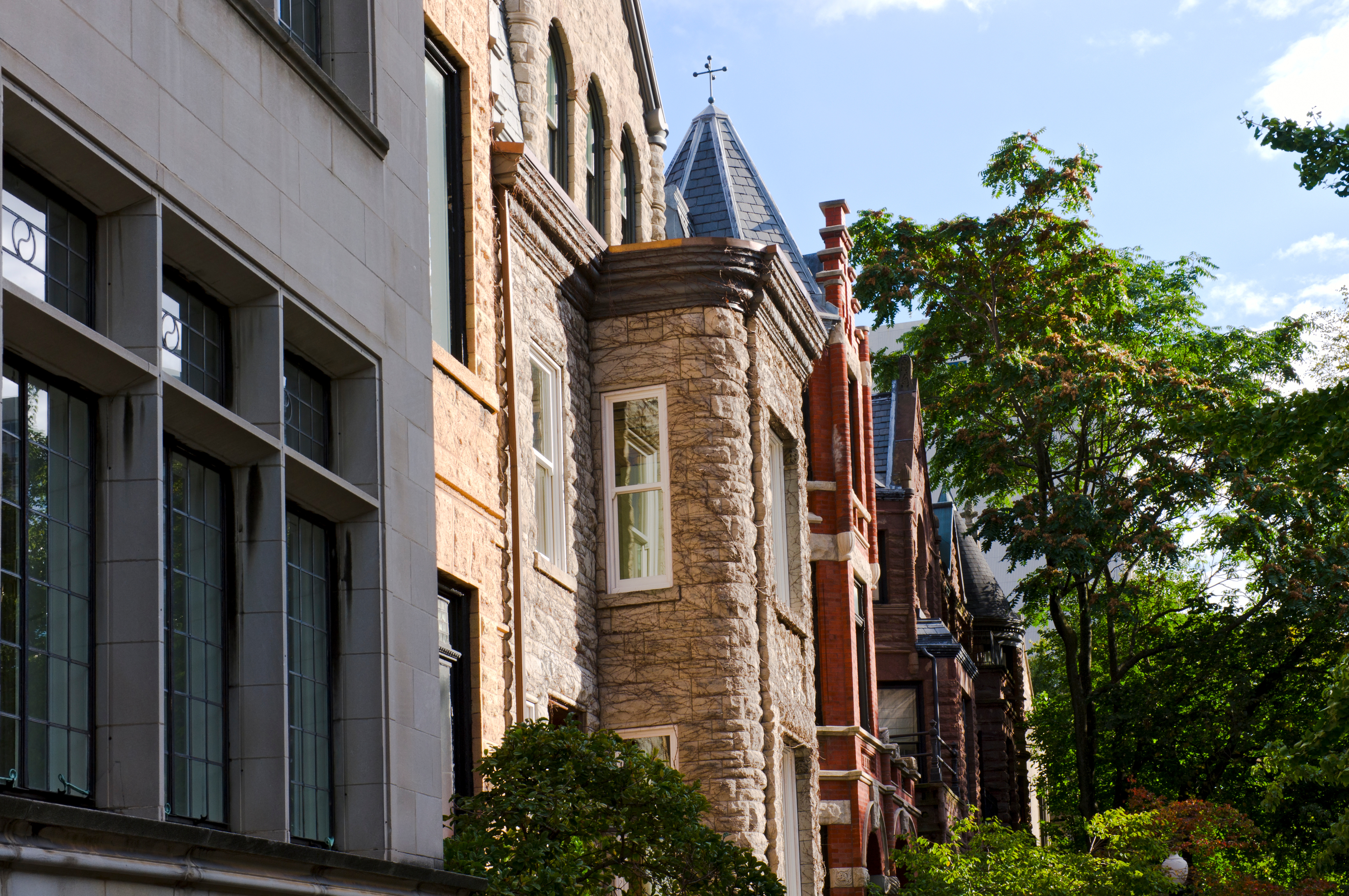
Gold Coast brownstones and Lake Shore Drive high-rises represent opposite ends of the downtown luxury spectrum
South Loop new construction is adding density and reshaping the area's buyer pool
River North's gallery district and entertainment corridor sustain consistent resale demand
The Loops of Chicago
What Homes Actually Look Like in The Loops of Chicago
High-rise condos are the dominant housing type across most of these zip codes. In the Loop proper, that means units in glass-and-steel towers with city and lake views, often in buildings that sit alongside or within converted office properties. The South Loop adds residential towers with Grant Park and lakefront-facing units. Most buildings in both areas include full amenity packages: fitness centers, door staff, roof decks, and dedicated parking.
The West Loop and River North tell a different story. Timber loft condos in converted warehouses are the defining product here, with exposed brick, original wood beams, and open floor plans that modern new construction rarely replicates. Buyers choosing between timber and concrete loft construction should understand that each type carries different HOA reserve profiles and attracts a distinct resale buyer pool. The Gold Coast adds vintage graystones, brownstones, and Lake Shore Drive luxury buildings to the overall mix.
High-rise condos with city and lake views in the Loop and South Loop
Timber loft conversions in former Fulton Market and West Loop warehouses
Concrete loft condos in West Loop and River North
Gold Coast brownstones, graystones, and vintage co-ops
New construction residential towers in the South Loop
Featured Homes For Sale
Browse available public listings below. Looking for exclusive or private off-market listings? Contact us.
What a Concierge Approach to The Loops of Chicago Real Estate Actually Means for You
Market Pulse: I track price movement and inventory shifts at the building level, not just the zip code level, so you always know where the real opportunities are right now.
HOA Intelligence: Before any offer, I review association financials, reserve fund health, and pending assessments so you know exactly what you're buying into before you're committed.
Seller Strategy: I position each unit against the specific comp set within its own building and view corridor, not against neighborhood-wide averages that rarely apply at the unit level.
Negotiation Depth: I know which buildings currently have room on price or concessions, and I use that knowledge to structure stronger offers and better closing terms for my buyers.
Lifestyle Match: I walk you through the real daily experience of each neighborhood before you commit to a zip code. Whether that's Randolph Street at dinner, the lakefront trail at 7am, or Second City on a Tuesday, the right neighborhood is the one that fits your actual routine.
Building Knowledge: I know the specific buildings in each zip code where renovation quality, view lines, and parking access add up to consistently stronger resale performance over time.
The Loops of Chicago
What Daily Life in The Loops of Chicago Actually Looks Like
These neighborhoods sit at the center of Chicago's transit network. The CTA's elevated loop runs through the heart of the district, and multiple bus and rail lines connect every corner of this area to the rest of the city. Most residents can walk to work, reach O'Hare or Midway by train, and cover daily errands entirely on foot without touching a car.
Millennium Park is the front yard for Loop residents, with Cloud Gate, the Pritzker Pavilion, and the Chicago Riverwalk within easy walking distance. The South Loop sits steps from the Field Museum, the Shedd Aquarium, and Soldier Field. West Loop residents walk to Randolph Street's Restaurant Row and Fulton Market's acclaimed eateries, rooftop bars, and boutiques. River North puts you inside the city's gallery district. Old Town places you a block from Second City and Halsted Street's independent restaurant corridor.
Millennium Park (Cloud Gate, Pritzker Pavilion, seasonal programming)
Chicago Riverwalk (lakeside dining, kayak rentals, waterfront trails)
Fulton Market District (restaurants, galleries, boutiques, and nightlife)
Field Museum and Shedd Aquarium (South Loop cultural corridor)
Randolph Street Restaurant Row (West Loop's dining epicenter)
Second City (Old Town's flagship comedy and improv venue)
The Loops of Chicago
Top Searched Neighborhoods
South Loop
Lakefront high-rises and new construction towers steps from Grant Park, the Field Museum, and Shedd Aquarium.
West Loop
Converted timber loft warehouses and Fulton Market's acclaimed restaurant corridor define Chicago's most transformed neighborhood.
Loop
Chicago's downtown core, ringed by the elevated train, anchored by Millennium Park, the Art Institute, and Willis Tower.
River North, Gold Coast, Old Town
River North galleries, Gold Coast brownstones, and Old Town's Second City in one connected near-north corridor.
The Loops of Chicago
Real Estate Market Snapshot
The Loops of Chicago Real Estate: What the Market Is Doing and What It Means for You
Downtown Chicago's condo market is in a period of selectivity right now. Inventory in Gold Coast, River North, and Old Town has tightened through the spring selling season, which creates competitive conditions for buyers targeting turnkey units with strong natural light, functional layouts, and parking. The Loop itself shows more variation, with some softness in older buildings and stronger activity in renovated or higher-floor units. West Loop remains the premium segment of this corridor, with demand driven by Fulton Market proximity and the neighborhood's converted loft inventory. For sellers, building-level comp analysis matters far more than neighborhood-wide averages here. For buyers, preparation and timing are the tools that win.
The structural demand story for these neighborhoods is durable. The ongoing conversion of office space into residential units in the Loop proper is adding new inventory while reshaping who lives downtown and what they're looking for. The South Loop continues to attract new residential towers, which means sellers in that market need to price carefully against both resale and new construction comps. River North and Gold Coast benefit from sustained buyer interest in established, walkable neighborhoods with strong cultural infrastructure. Whatever your goal — buying into the West Loop's loft market or positioning a Gold Coast unit for maximum return — I can give you a building-level read on what's actually moving right now. Reach out and I'll tell you exactly where your opportunity sits.
Subscribe to next month's newsletter for the latest updates.

Got Questions about The The Loops of Chicago area?
Meet Olivia, your dedicated The Loops of Chicago Virtual Concierge for The Nelson Project.
Have questions about homes, specific neighborhoods, schools, or the local lifestyle in the The Loops of Chicago area? Start a quick chat and get helpful answers instantly.
Market Insights
SUBSCRIBE TO MONTHLY MARKET UPDATES
Stay ahead with trends and detailed insights into the Chicago real estate market. Get expert analysis, neighborhood spotlights, and pricing strategies delivered to your inbox.


Mail
Facebook
LinkedIn
X
Pinterest
Snapchat
Reddit